

Marie Colinet & Wilhelm Fabry - Midwife & surgeon on a mission for life
Category: Exhibition
Marie Colinet & Wilhelm Fabry - Midwife & surgeon on a mission for life
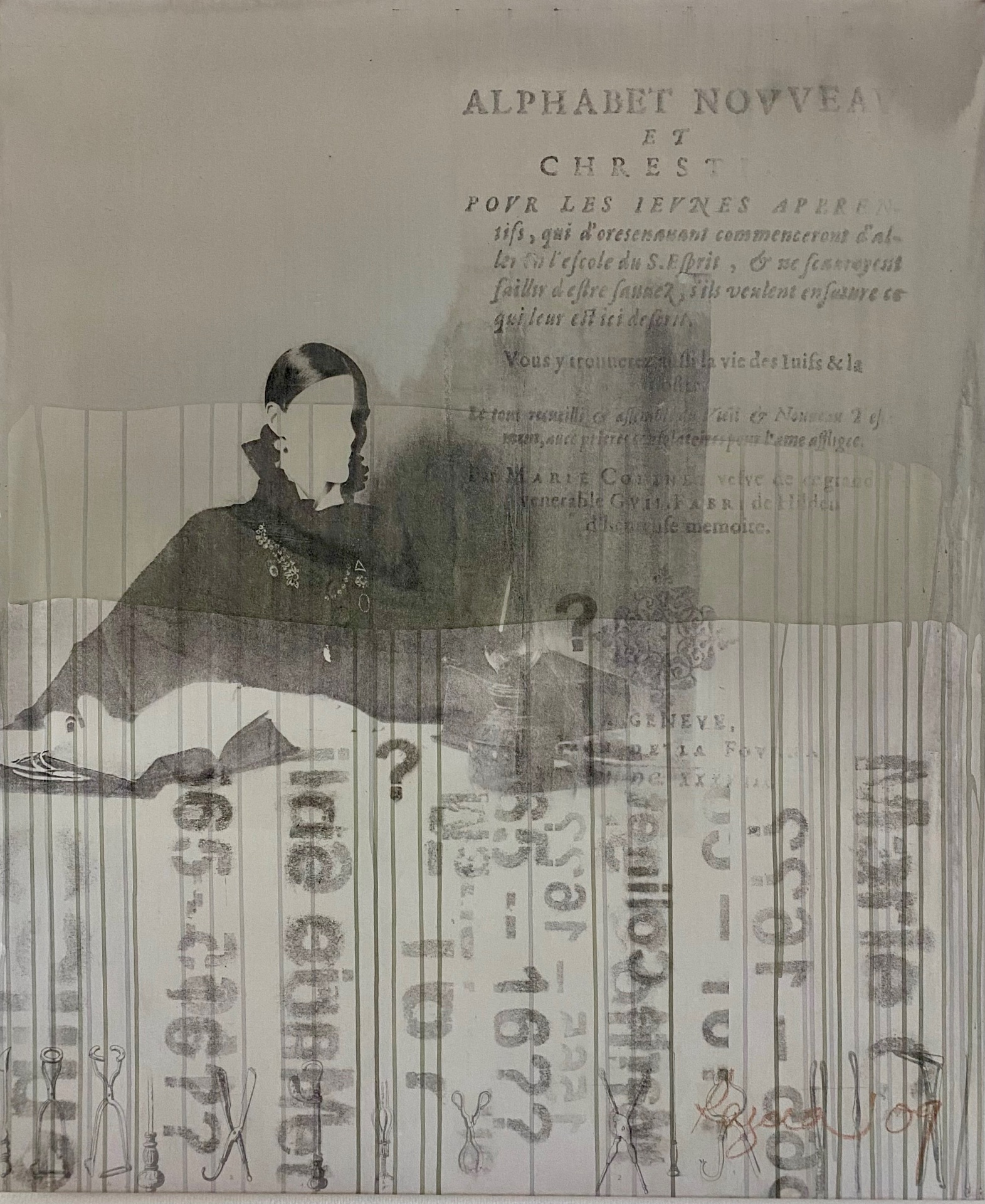
For the first time, an exhibition will focus on the life and work of Marie Colinet, the wife of Wilhelm Fabry. Trained as a midwife in Geneva, she married the surgeon of the same age, who is considered the founder of modern surgery in Germany, in the summer of 1587 in the church of St. Gervais in Switzerland. But Marie Colinet was also a pioneer, as she is regarded as the first midwife to develop new methods of application to save mother and child. She herself had eight children with Wilhelm Fabry, two daughters died of the plague and only one of her sons survived his parents. Marie Colinet and Wilhelm Fabry were a congenial couple who worked side by side. She ran the practice in his absence, treating broken bones and treating wounds.
Wilhelm Fabry's correspondence with doctors and many other contemporaries from all over Europe is evidence of an international exchange of ideas and a large network, and at the same time documents his medical collaboration with his wife.
The presentation, designed by Julia Roever and Sandra Abend, also incorporates the findings from three books in Wilhelm Fabry's estate at the Burgerbibliothek in Bern. The books were digitized there especially for the Wilhelm Fabry Museum. The approximately 1,300 pages contain correspondence with a large number of important personalities as well as numerous sketches and preliminary studies for his more than 20 publications.
A particular highlight of the exhibition is the skeleton cabinet bequeathed to the city of Bern by the surgeon Fabry. Pharmacy will also form another focal point, as it is the other pillar, alongside surgery, on which Wilhelm Fabry and Marie Colinet concentrated in their medical work.
The exhibition will open on Thursday, 14.08.2025 at 19:30.
"Of mice and men" - exhibition special in the historic grain distillery
Curated by Dr. Wolfgang Gettmann
At the age of 15, Wilhelm Fabry falls ill with the plague. As a result of his illness, the doctor developed an immunity that allowed him to treat plague sufferers. However, the cause of the so-called "Black Death" was still completely unknown at the time. It had only been known since the end of the 19th century that the plague pathogen was transmitted by the rat flea. In Fabry's day, many rats arrived in Europe as "stowaways" on board the great sailing ships. In the exhibition special, zoologist Wolfgang Gettmann takes a closer look at the rodents, which he himself also calls "super mice". The special characteristics of the animals and how they have accompanied humans as companions throughout the history of art and culture are explained in this small exhibition in the fitting ambience of the old factory where the rodents once felt at home.
OPENING HOURS
Tue + Wed + Fri: 3:00 - 5:00 pm
Thu: 3:00 - 8:00 pm
Sat: 2:00 - 5:00 pm
Sun + public holidays: 11:00 - 5:00 pm
Admission:
3 euros - reduced 1.50 euros
FRAMEWORK PROGRAM
23.08.25, 10.30 - 17.00, Symposium "On the magic of things" - marvel, admire, comprehend - in cooperation with the Institut d'histoire de l'art et de muséologie Université de Neuchâtel
26.09.25, 17.00, Pop Up Bistro as part of the neanderland Museum Night with a culinary ratatouille menu
25.10.25, 19.30, theater play
La Colinette - at Wilhelm's side and with God's help by Barbara Engelmann
30.10.25, 19.30, Art on prescription, lines, how they do you good with Dorothee Wengenroth
07.11.25, 18.00, Night at the museum for children, magical mouse story and healing amulets
21.11.25, 19.30, Night at the museum for adults, magical mandrakes, healing amulets and poetic moments
18.12.25, 19.30, Lecture "Of mice and men" by Dr. Wolfgang Gettmann
Further information:
www.wilhelm-fabry-museum.de
02103 - 5903