

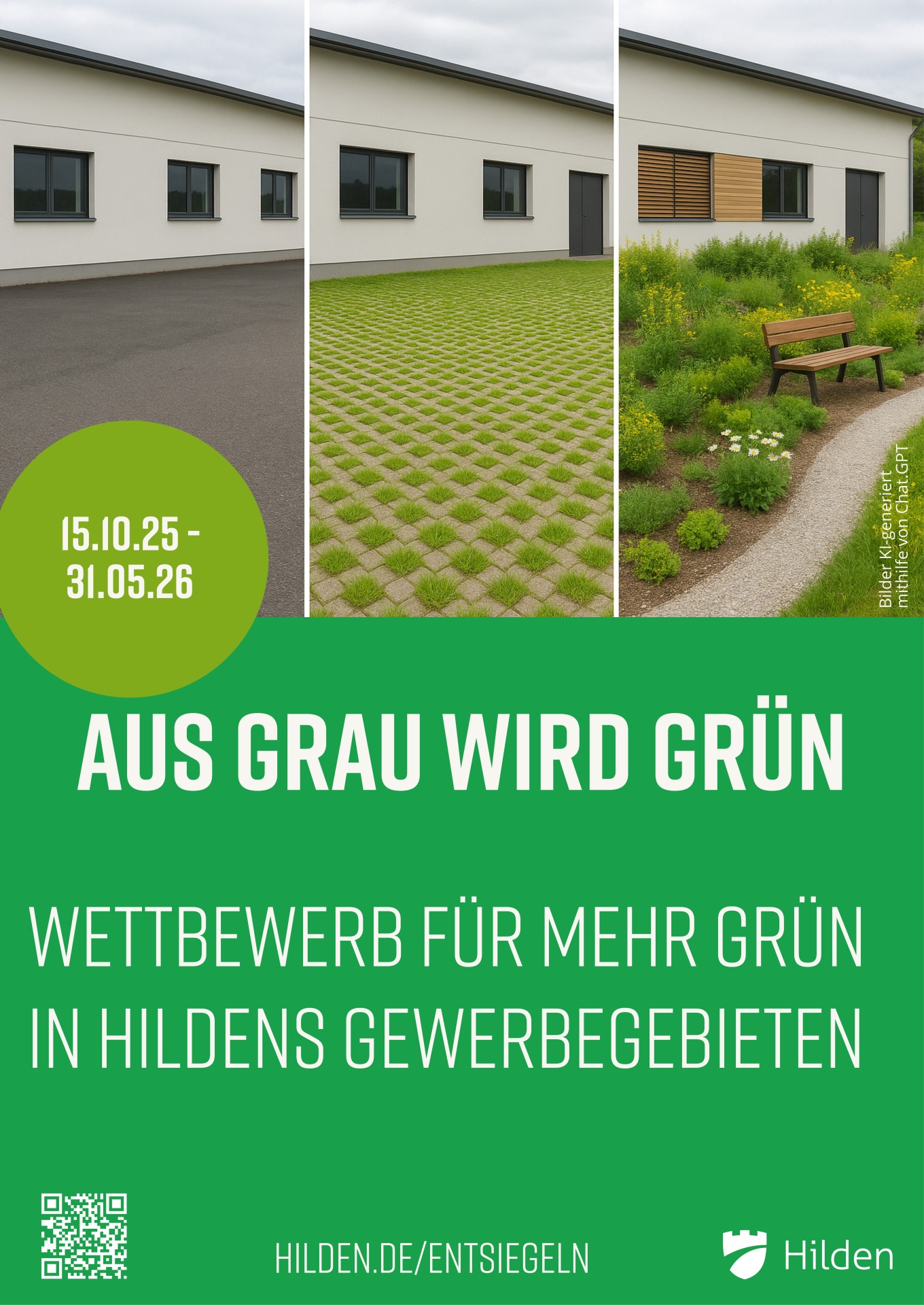
Unsealing competition
The city administration would like to motivate commercial and industrial companies to take a closer look at their immediate premises and redesign them in such a way that the areas with vegetation are increased in order to contribute to Hilden becoming more sustainable and climate-adapted.
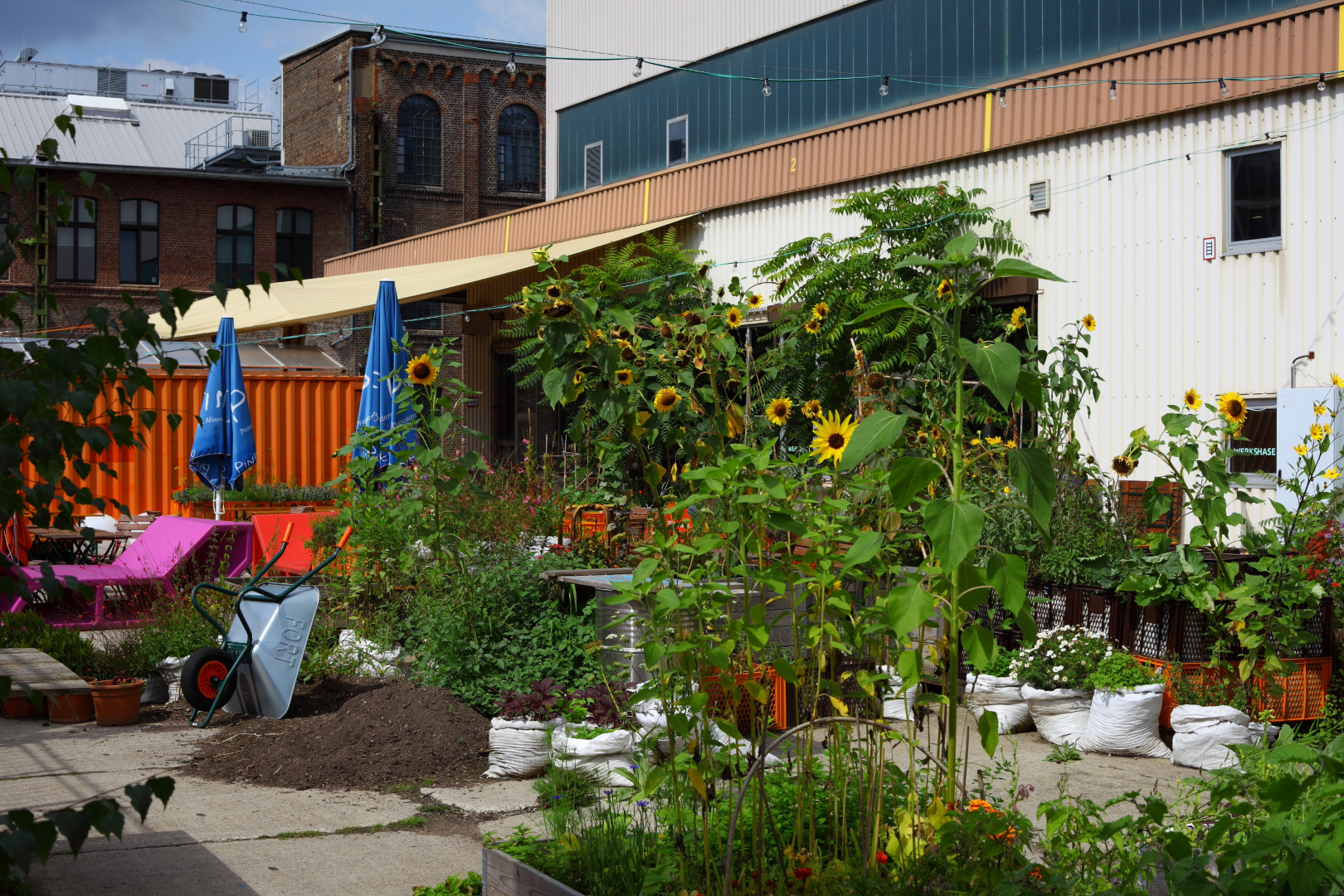
The city council is therefore creating further incentives for greening and revitalization with an innovative competition. As part of the project, companies in Hilden's commercial and industrial areas are being called upon to take part in the first unsealing competition. The aim is to free areas from unnecessary sealing and instead enable sustainable, green use - e.g. by creating biodiverse meadows, shaded areas or small recreational areas for employees.
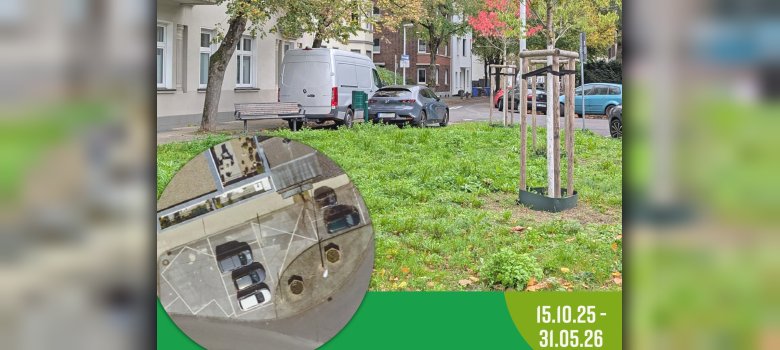
The city is also converting areas in the street space, such as here on the corner of Poststrasse and Feldstrasse. The unsealing measure has also increased the quality of the area and created a seating area in a green setting. Climate-resistant trees were also planted.
Advantages of unsealing and why it is so important
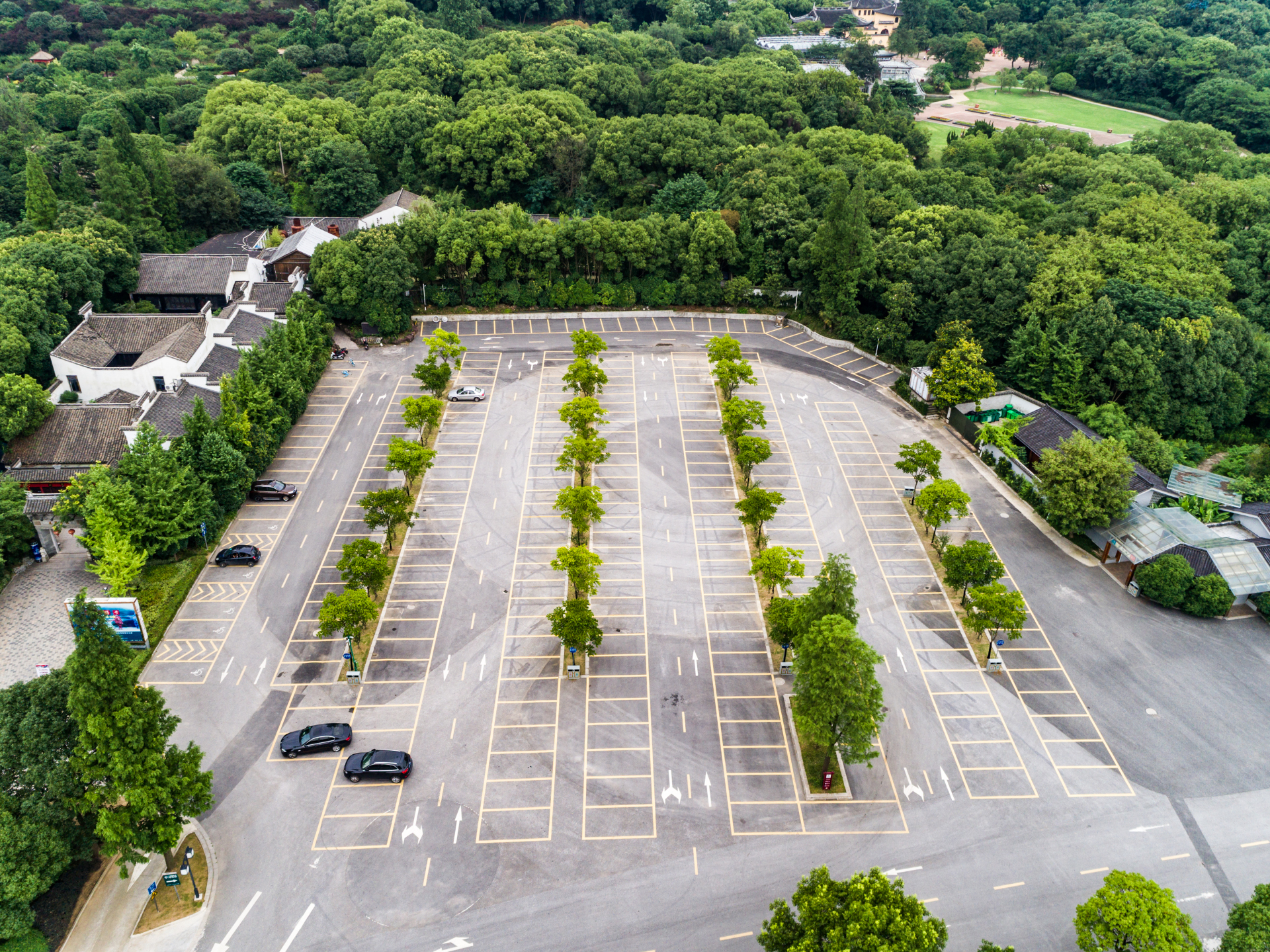
Especially in the warmer months, industrial estates heat up considerably due to their high degree of sealing (over 90 percent). Every unsealed surface improves the situation: it reduces heat islands, allows rainwater to seep away, strengthens groundwater reserves and creates habitats for animals and plants.
- Rainwater can seep better into the ground
- Flood risk reduction
- Increase in groundwater recharge
- Restoration of the natural soil function
- Microclimatic improvement (increase in air quality and cooling function)
- Promoting biodiversity
In the reports on the climate and immission ecological functions in the Hilden urban area, the commercial and industrial areas in particular are classified as settlement areas with moderate, and in some cases high, bioclimatic pollution. Among other things, it is recommended that open spaces be preserved wherever possible and that the proportion of vegetation be increased. The unsealing of previously sealed areas is becoming increasingly important, especially in times of more frequent and intense heatwaves, long dry periods and heavy rainfall events.
Competition and participation
From October 15, 2025 to May 31, 2026, companies can submit projects that are implemented during this period online - with before/after photos and a site plan with an area balance. The proportion of the unsealed area in relation to the total area will be assessed.
The competition is based on the criteria of the green space statutes for commercial areas, so that a transparent and fair assessment of the quality of the unsealed areas is guaranteed.
At the end of the campaign period, the unsealed areas are divided in proportion to the total area of the company site. The three companies with the largest proportional share of unsealed areas receive a financial bonus.
The three best projects will be awarded prizes:
- Place: 5,000 euros
- Place: 2,500 euros
- 1st place: 1,000 euros
All participants will also be presented on the city's website.
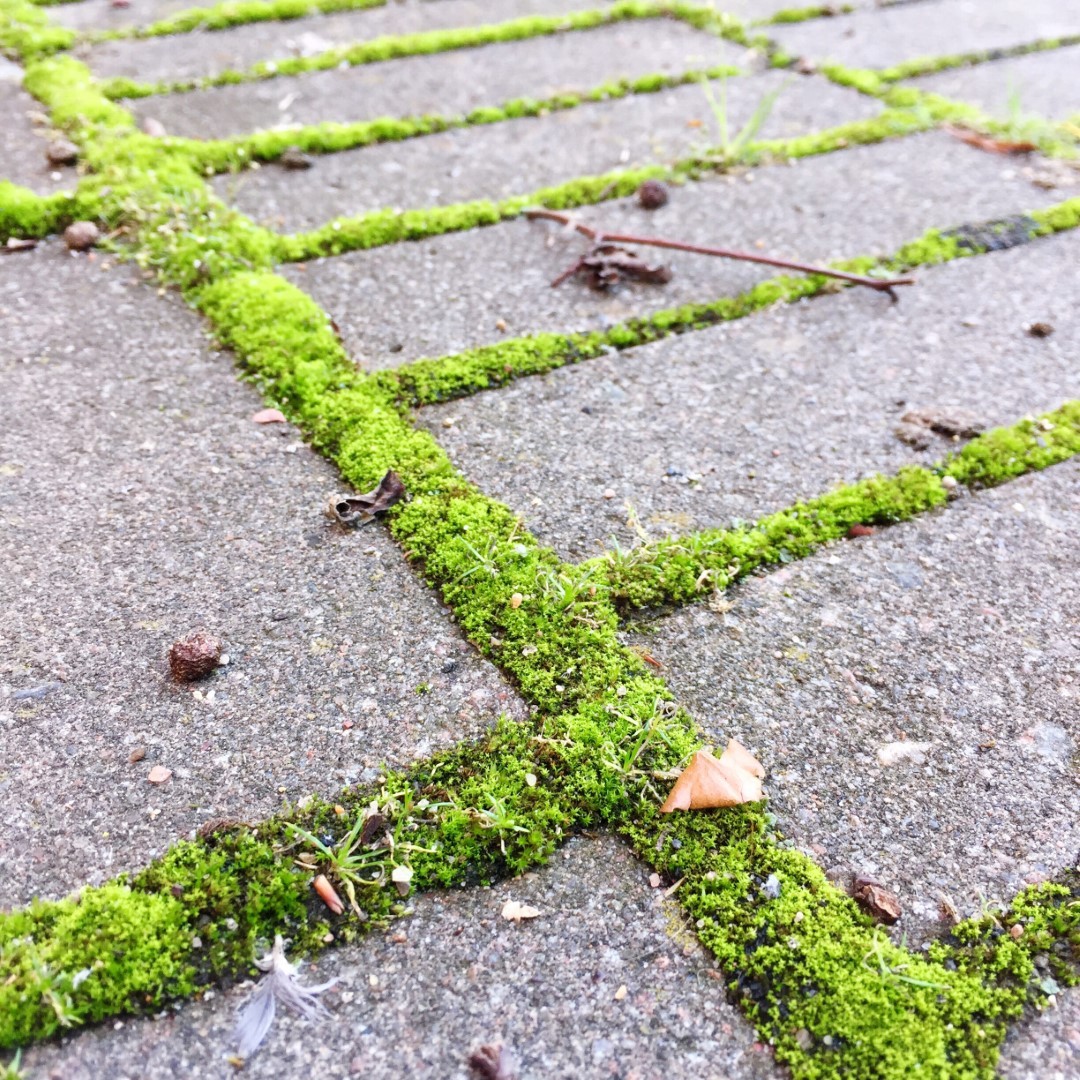
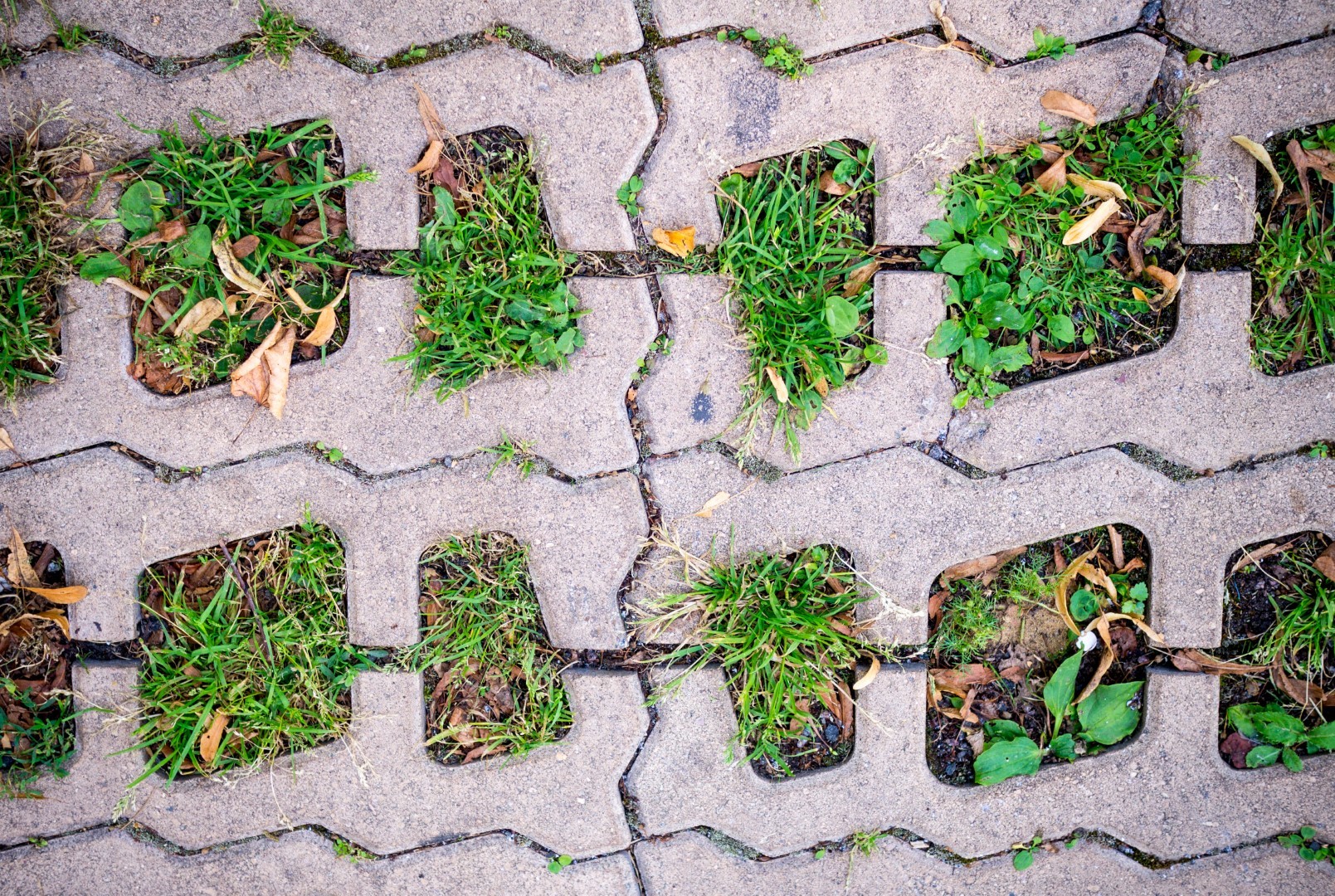
Note: Even if the conversion from a closed asphalt surface to an area covered with grass pavers is already an improvement, a real upgrade for the microclimate - such as green islands, infiltration areas, climate-adapted planting or recreational areas for employees - would be particularly desirable.
What is a sealed surface and how to reopen it
Many areas around buildings - such as driveways, parking spaces and storage areas or front gardens - are covered with asphalt, concrete or paving stones. These so-called sealed surfaces do not allow water to penetrate into the ground.
Unsealing an area is easier than many people think. It usually takes place in three steps:
- Removal of the sealed surface
Asphalt, concrete or paving stones are removed to expose the ground again. - Removing the base layers
Sub-surface materials such as crushed stone, gravel or grit are removed to make room for a permeable substrate. - Loosen the soil
The compacted soil is loosened so that rainwater can seep away naturally again
- Removal of the sealed surface
What water-permeable floor coverings are available?
Open paving is suitable for the redesign, such as
- Lawn
- Wood chippings or wood grates
- Grass pavers or paving with open joints.
Advantages of near-natural company gardens and commercial greenery
The Landesverband Garten-, Landschafts- und Sportplatzbau NRW e. V. (North Rhine-Westphalia State Association for Gardening, Landscaping and Sports Ground Construction) highlights seven advantages of naturally designed company gardens and commercial greenery:
- Climate protection and preserving biodiversity
- A new home for animal and plant species
- Improvement of the microclimate at your location
- A place that increases the satisfaction, well-being and creativity of your employees
- Positive image effect; your sustainable approach is conveyed to the public
- Competitive advantage in the search for and retention of specialists
- A step towards sustainable certification for your company (future-oriented)
Ideas / tips for companies
The open"Netzwerk Gewerbegebiete im Wandel" has a collection of simple but effective measures for upgrading company premises and increasing well-being at the workplace and during breaks. Feel free to click through the collection of links. The WILA Bonn is in charge.
Support programs for natural climate protection
Roof and façade greening
Green roofs and façades are becoming increasingly important in the context of climate-adapted and water-sensitive urban development. The Federal Association for Green Buildings has therefore compiled lists of federal and state subsidies for green roofs and façades as well as solar green roofs.